
What do we offer?

Emotional Transformation and Wellbeing Programs in the classroom for teachers and students
The effectiveness of our methodology is based on the fact that we intervene at the root of people's behavior and attitude: emotion.
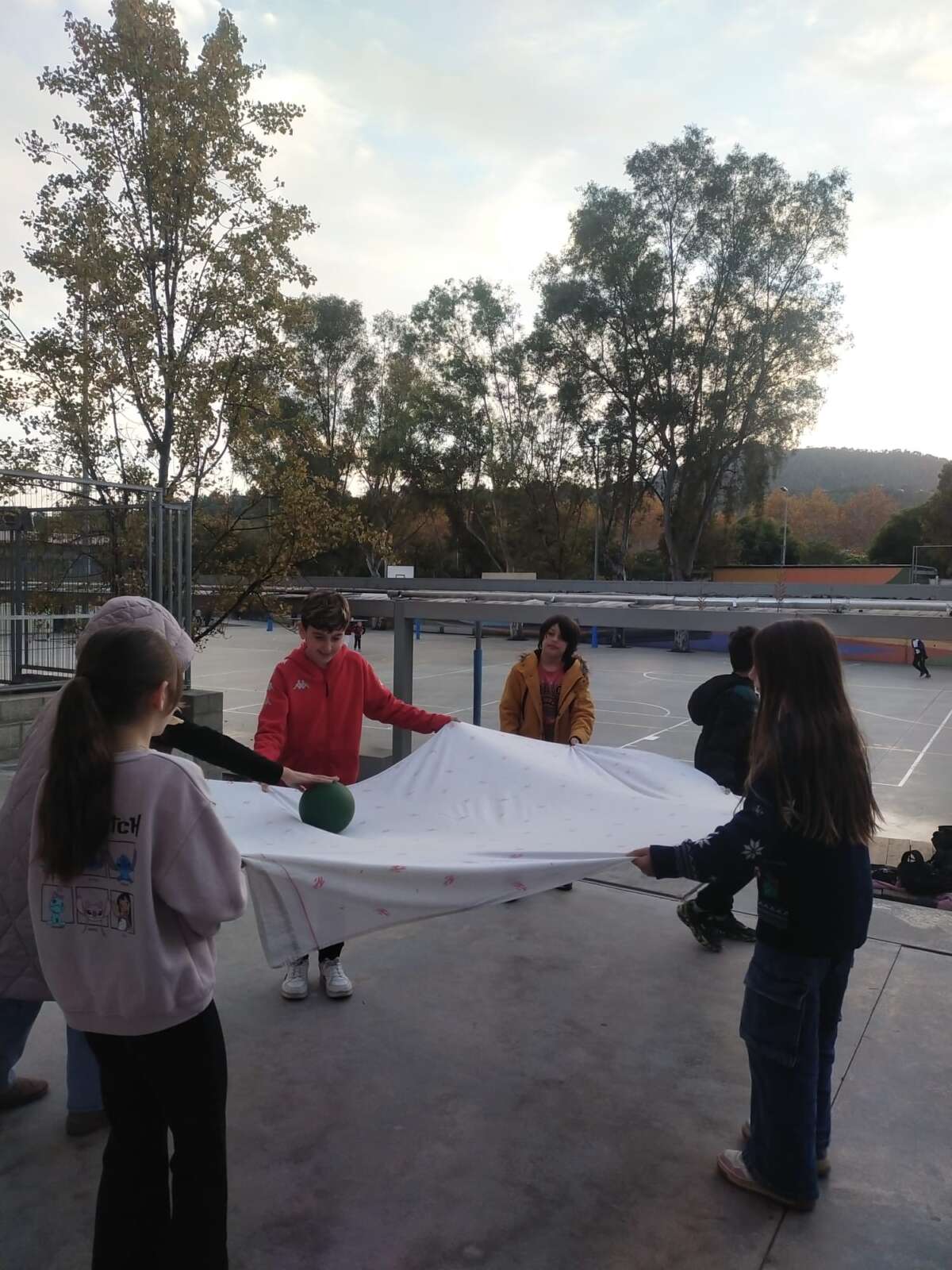
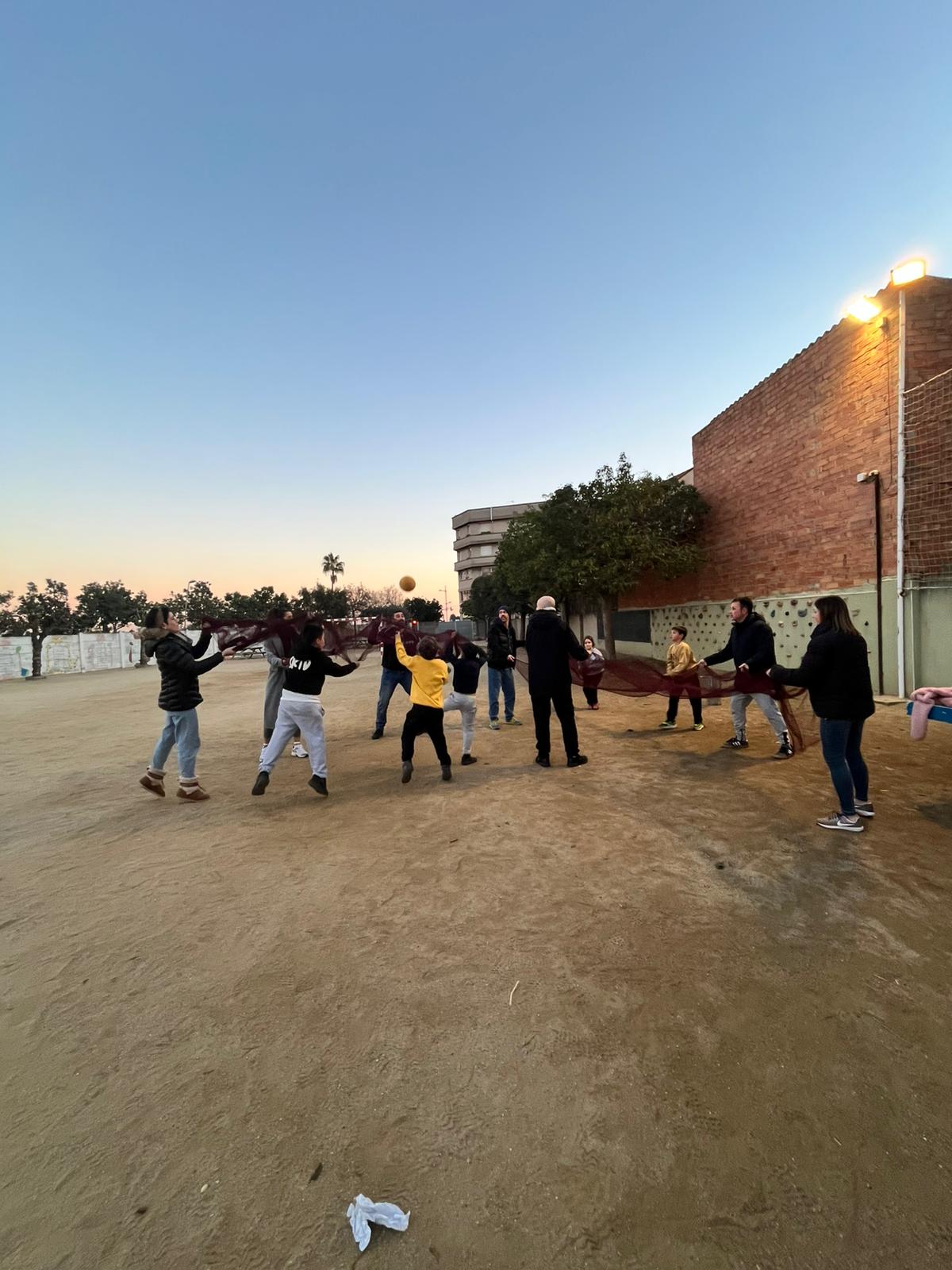
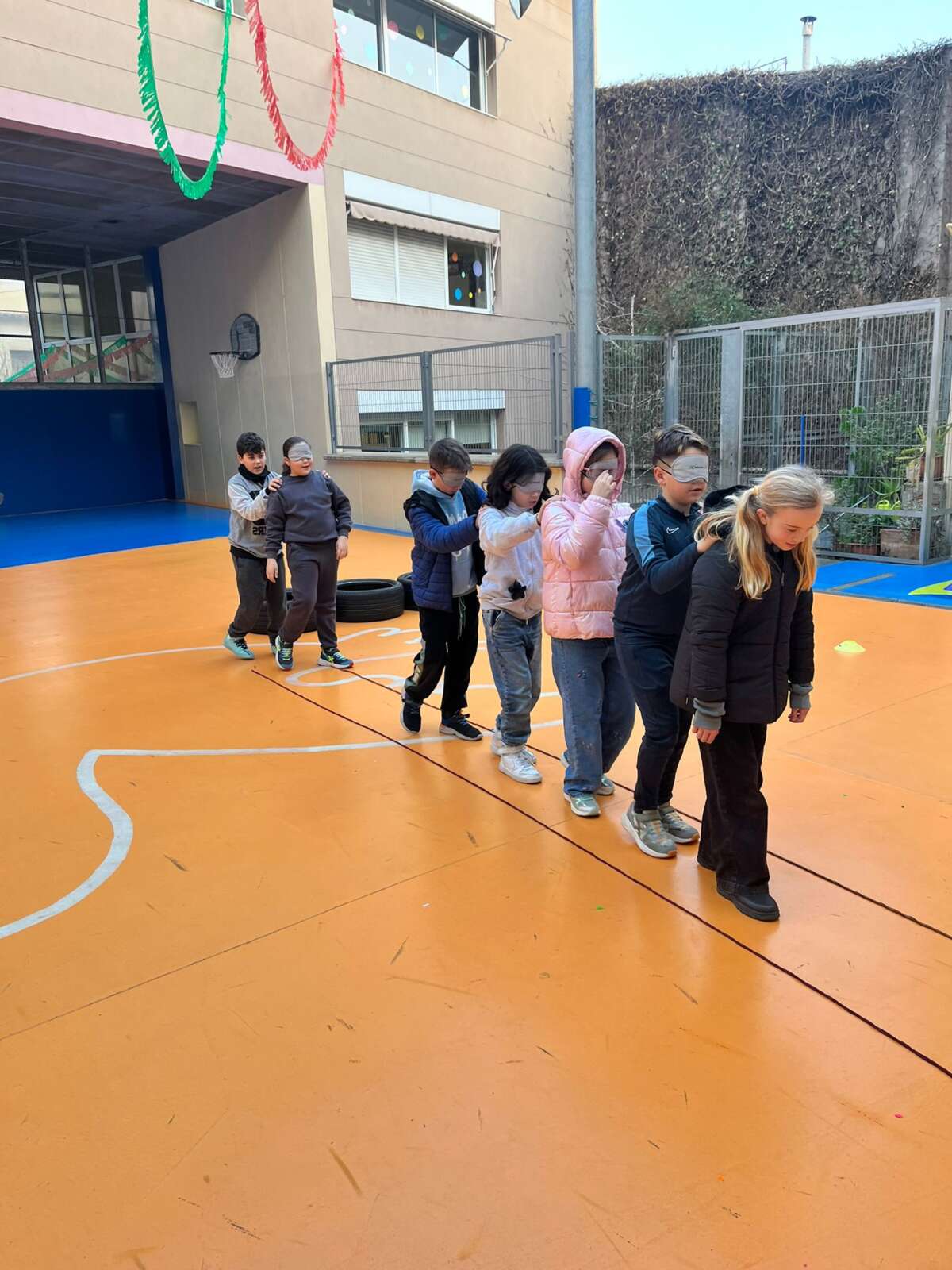
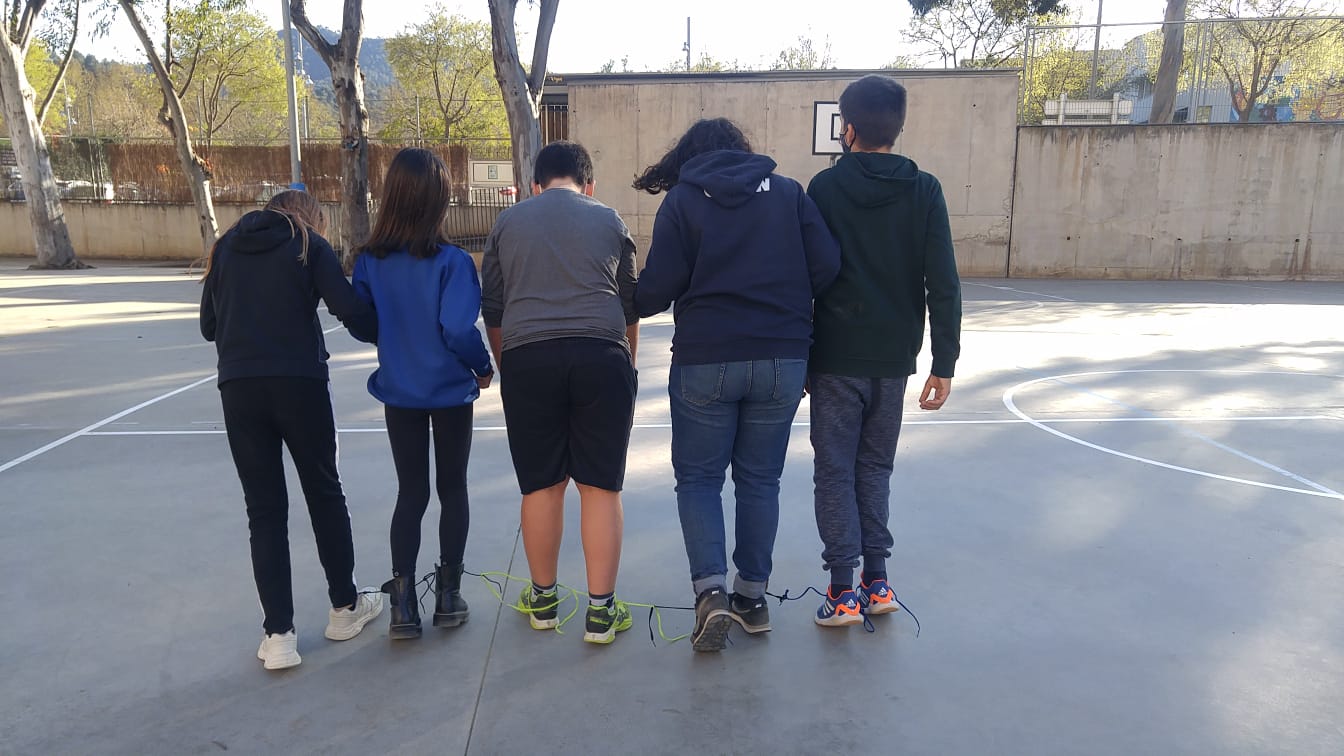
Therefore, we transform theoretical knowledge into experiential learning that generates meaningful learning.
We offer programs throughout the course and interventions adapted to different levels, from specific actions to comprehensive processes of transformation of staff and classrooms (primary, secondary, high school and vocational training cycles).
How do we do it?
Our intervention methodology includes a series of processes that ensure alignment with the educational center, a key factor in the success of our programs. Example of the process as described by the students.
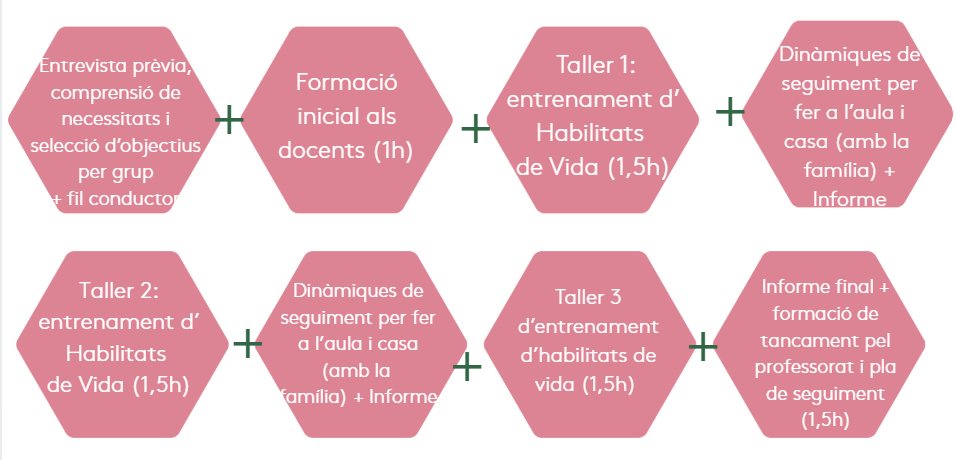
Student Program
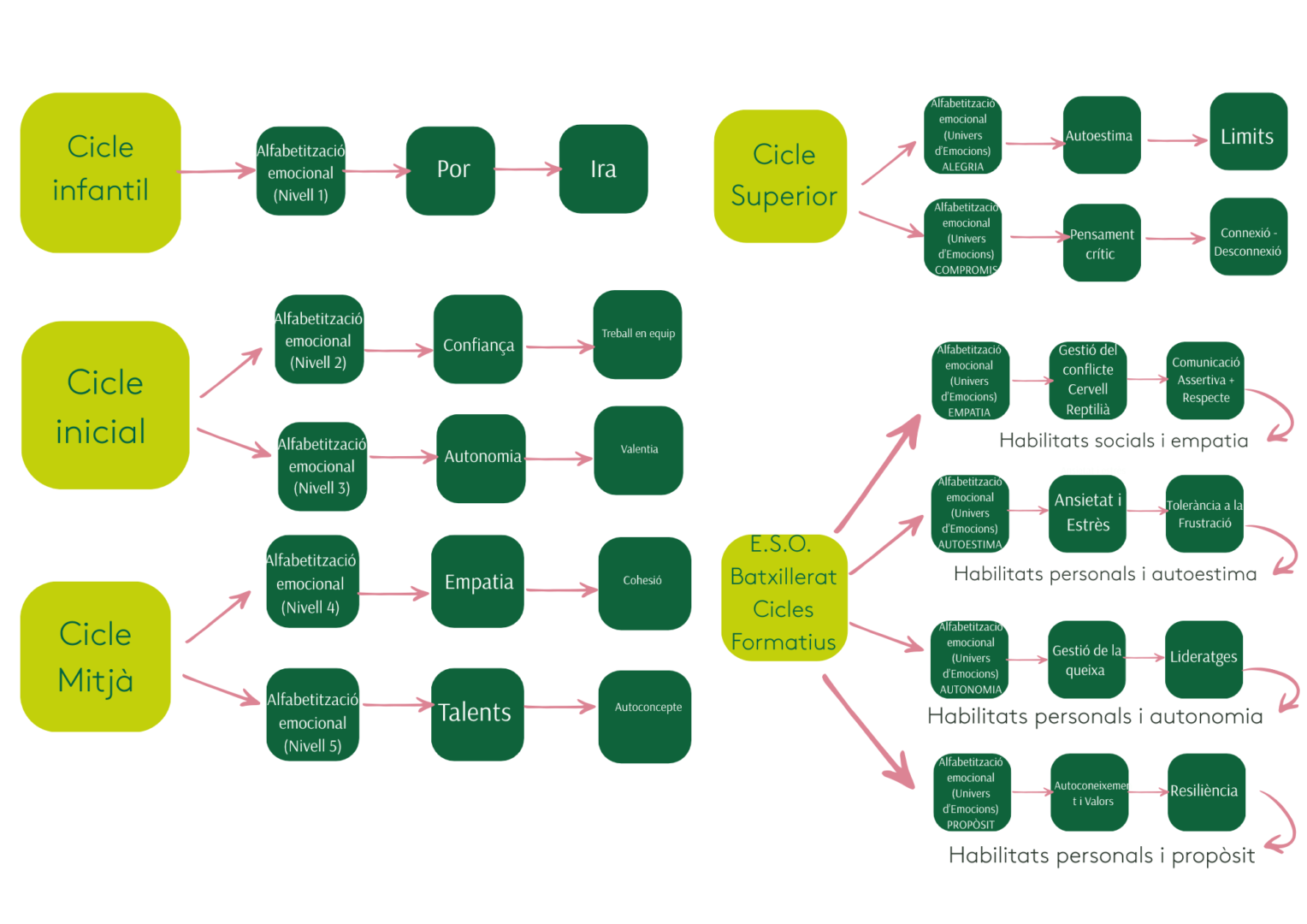

Program content by student
Infant
In childhood we lay the foundations of the emotional world
Emotional literacy, recognize basic emotions such as fear and anger, i We initiated the first regulatory processes through play and movement.
When emotions are addressed from the very beginning, the center gains in calm and prevention: intense tantrums, recurring conflicts, and out-of-control behaviors are reduced.
Initial
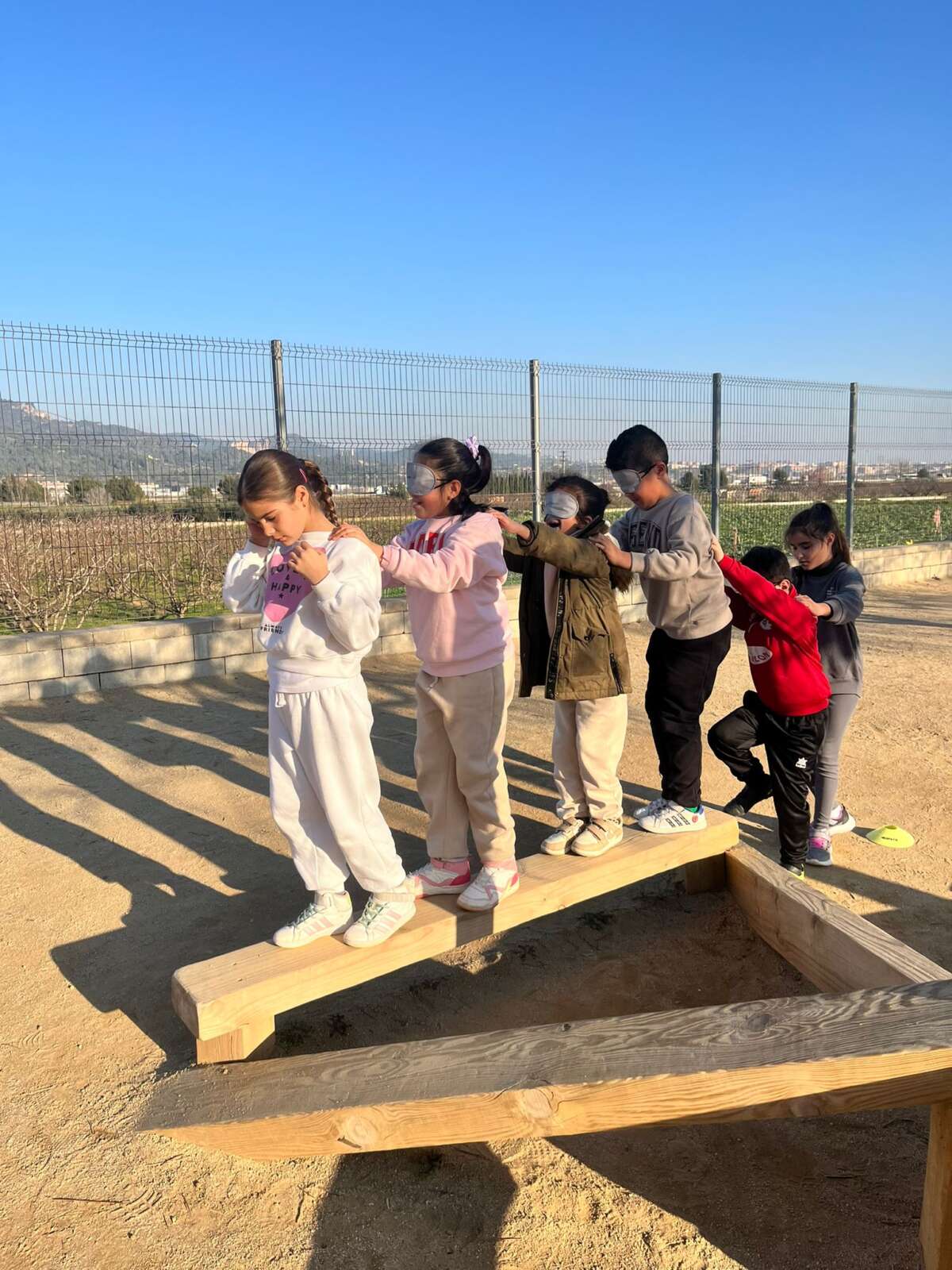
Emotions begin to have an impact on relationships with others and on the Self-confidence. We help children consolidate emotional literacy, strengthen confidence, autonomy, and teamwork. It is a key stage for beginning to build emotional courage: daring to try, make mistakes, ask for help, and trust in oneself and the group. The school benefits from a better classroom environment: recurring conflicts decrease, the capacity for dialogue increases, and a more respectful and cooperative coexistence is fostered.
Middle cycle
Children at this stage are more aware of themselves and their social environment. The programs in this cycle delve into empathy, group cohesion, and the discovery of their own talents—fundamental elements for building a healthy self-concept. We work to help them learn to respect one another, understand others, and feel like active members of a group. The school gains autonomy and responsibility: students resolve conflicts more effectively, improve their self-esteem, and reduce impulsive behavior both inside and outside the classroom.
Higher primary education
A key stage of personal and social growth: emotions become more intense and relationships more complex. Emotional education helps children understand what they are experiencing, set healthy boundaries, and develop a more critical and conscious perspective. We work on self-esteem, commitment, critical thinking, and connection with others, offering tools to face the changes inherent in this stage with greater confidence, responsibility, and well-being. The school benefits from improved prevention: conflicts are reduced, group cohesion is enhanced, and students enter secondary school with greater personal and emotional resources.
ESO, Bachillerato, training cycles
In secondary education, high school, and vocational training programs, emotional education is key to supporting students through periods of change, academic pressure, identity formation, and decision-making. The programs at this stage address various educational goals—self-awareness, emotional regulation, stress management, communication, leadership, and a sense of purpose—and are tailored to the specific competencies each group aims to develop. Through an experiential and participatory methodology, students connect experience with reflection, integrate emotional language, and develop practical tools applicable both inside and outside the classroom.
When emotions are addressed at this stage, the school gains in emotional maturity and relational quality: the climate of coexistence improves, chronic conflicts are reduced, and greater responsibility and personal autonomy of the students is fostered.
TEACHER TRAINING
Workshops, for a course with wellness tools!
COHESION AND TEAMWORK WORKSHOP: a 4-hour day at La Granja to start or end the course in a different way: an exclusive morning for the staff, in contact with nature and horses, aimed at strengthening bonds, trust and the feeling of belonging, improving team cohesion and communication, and reducing misunderstandings, tensions and relational wear and tear.
EMOTIONAL LITERACY WORKSHOP: Experiential training on the Universe of Emotions (R. Bisquerra) to understand emotional impact, regulation, and autonomy, providing a common language and practical tools that teachers can directly transfer in the classroom, helping to prevent conflicts, emotional overload, and unnecessary stress. (Duration: 1.5 hours)
WORKSHOP: THE WALL OF VALUES AND BLACK HOLES: A participatory activity to understand and manage conflict and toxic environments, enabling participants to identify patterns, align values, and define a shared action plan, preventing harmful dynamics, blockages, and chronic conflicts within the team. (Duration: 1.5 hours)
WELLNESS PROGRAM
Goals:
- To know and develop the emotional competencies of Marc Teòric by Rafael Bisquerra (Bisquerra and Pérez, 2007) that support the La Granja Method.
- To train personal and collective emotional well-being as the basis of the teaching task.
- To promote a positive emotional climate in the center and the cohesion of the staff through trust, assertive communication and collaboration.
- Develop empathy and autonomy to improve relationships between colleagues and with students.
- Training in the art of asking questions, active listening, and constructive conflict management.
- To learn and practice tools to emotionally support students from the perspective of the La Granja Method.
- Training body awareness and presence as resources to manage stress and maintain emotional balance.
- Learning to transform emotions into allies, turning teacher well-being into an engine of educational change.
Training Hours: 16h. Training subsidized by FUNDAE (private and subsidized schools).
Training schedule: Initial 4-hour session + 1 monthly session of 1 or 1.5 hours at the school (October to May). Usually during staff meeting time.
Levels: You start with the first level, and each course you can move up a level to turn teachers into Emotional Educators.
Optional: complete the initial 4-hour day at La Granja with natural horsemanship and nature activities (with or without food).
What do the children think?

"We need more opportunities like these during school hours to give people the chance to start seeing that life is full of things and that all of them make us strong."
Laia, 13 years old
"Parents, for some, only serve to set limits, but we have discovered that they are not. And my mother has regained her composure.”
Elíes, 10 years old
«És important que l’escola ens ensenyi a entendre els nostres sentiments igual que ens ensenya matemàtiques.»
David, 9 years old
"I have learned that I have more good things than I thought I had"
Aleix, 9 years old
«He après que totes les emocions són bones i que totes aporten alguna cosa. Faré diferent que cada cop que senti una emoció pensaré que aquesta emoció és per alguna cosa»
Salma, 9 years old
«He après que estar trist no és dolent. La confiança és bona per cooperar. Hem de lluitar per aconseguir les coses»
Aina, 10 years old

Cristina's message
“No necessitem temps per treballar l’Educació Emocional a l’aula. Necessitem docents emocionalment intel·ligents per fer-ho de manera integrada i natural”
 Catalan
  Spanish
  English