

BARCELONA

Mètodo La Granja – Madrid

Educating emotions

"La Granja, Ability Training Center", the first farm school with a registered Emotional Education Method and scientifically proven results*.

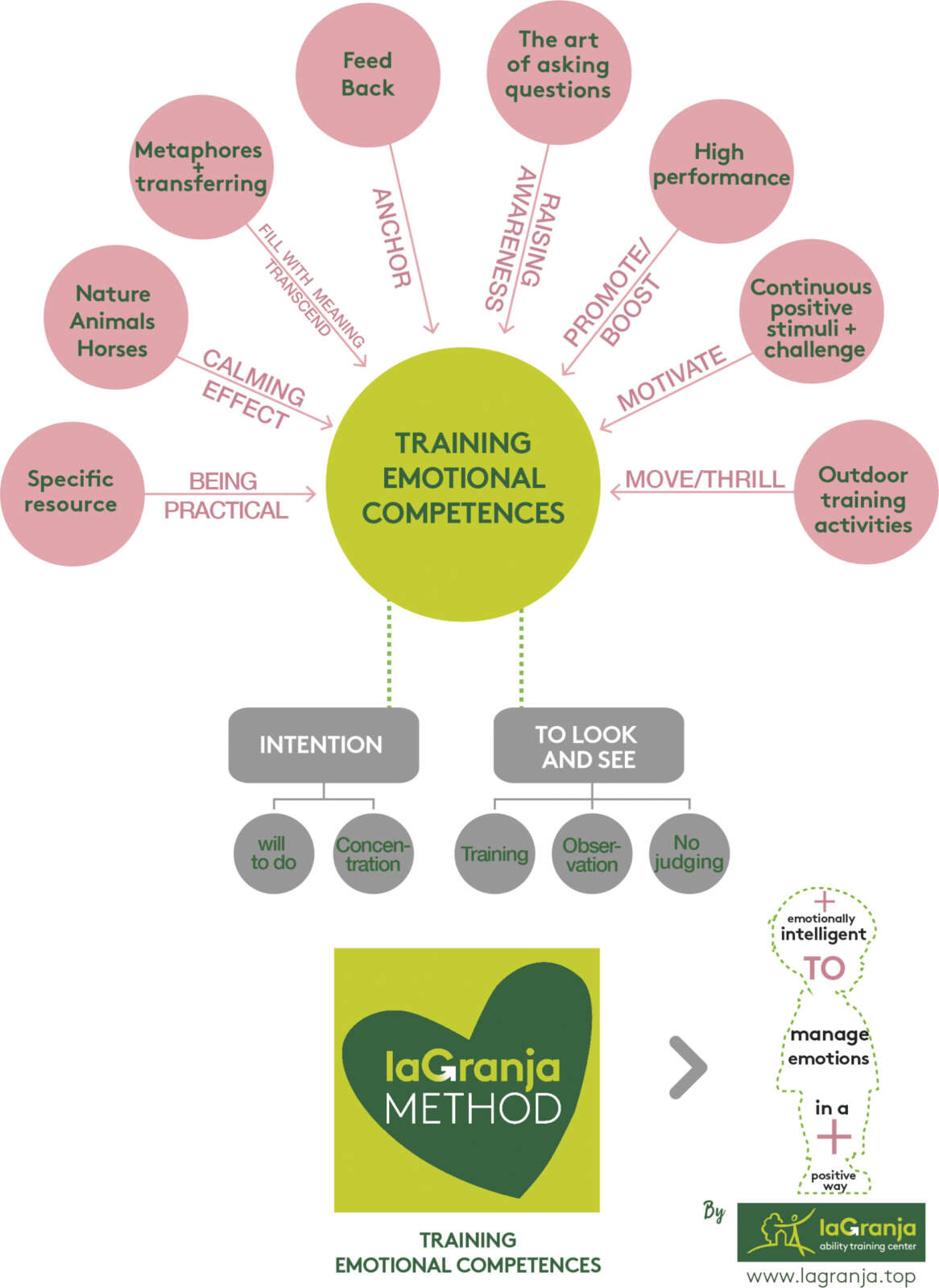
La Granja© Method

A real skills accelerator

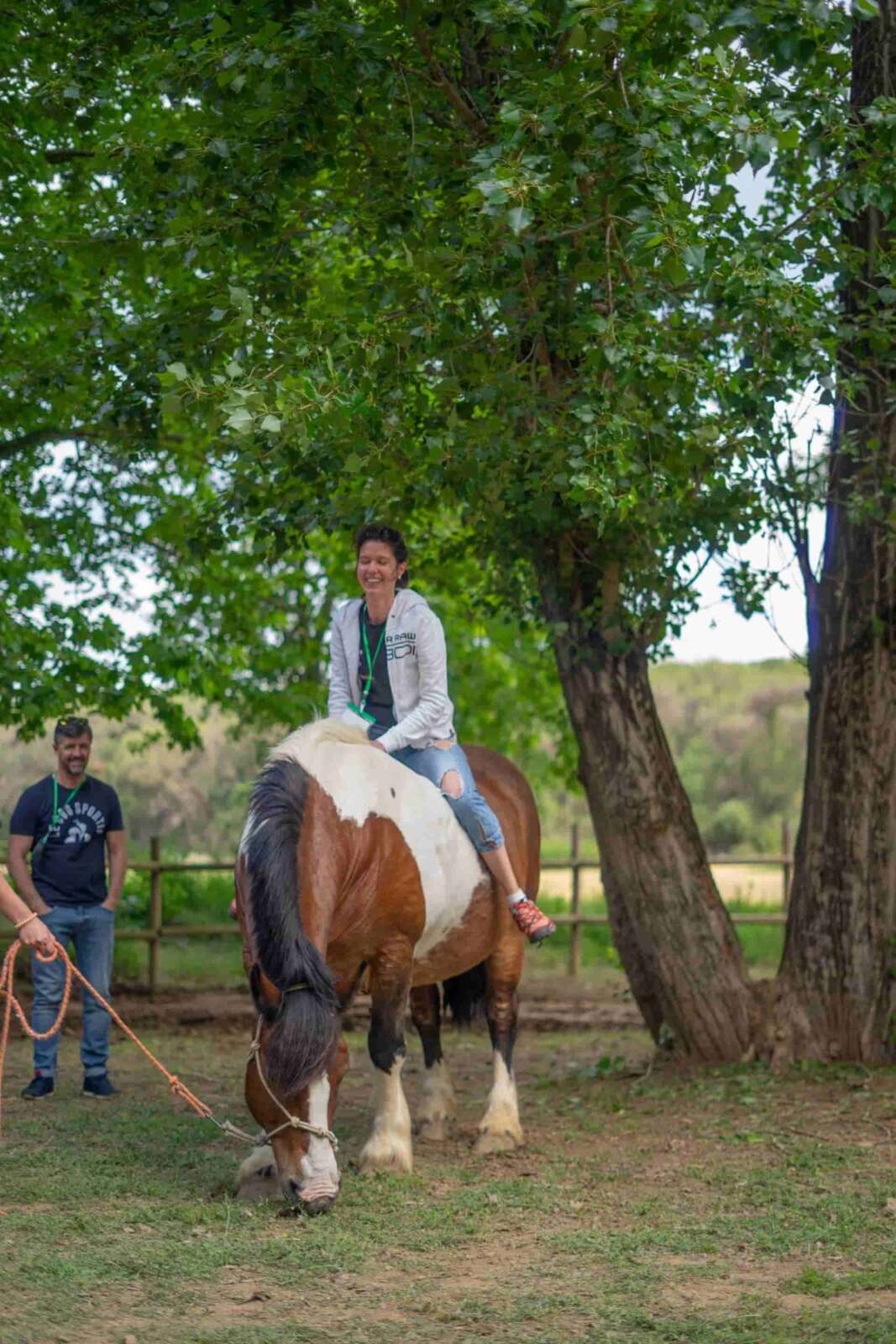
El Método La Granja© es una metodología creada en “La Granja, Ability Training Center”, que se basa en la práctica y el entreno de las competencias emocionales de niños y jóvenes, con resultados demostrados científicamente* en el cambio de comportamiento y actitud de los alumnos. Creemos firmemente que sólo se pueden interiorizar los aprendizajes relacionados con la educación emocional cuando éstos son vivenciales y emocionan a los niños. El Método La Granja© se está probando desde el año 2005 con los más de 18.000 niños que cada año pasan por La Granja de Sta Maria de Palautordera, con niños, niñas y jóvenes de entre 3 y 18 años de escuelas públicas y privadas.

El Método La Granja© es el que se utiliza en el programa de Gestión Emocional (NF1) del Hospital Sant Joan de Déu, en el programa de educación emocional de La Masia del Barça (2016-2017-2018) i en el proyecto de Masia Solidaria (2019). También utilizamos el Método La Granja© con los alumnos de la Universidad de Barcelona, la Universidad Blanquerna y la Universidad Internacional, con escuelas como Sek, La Salle, Dominicas o Escuelas Pias, y con empresas y organizaciones como La Caixa, ICS, Ajuntament de Barcelona, Factor Humà, Danone o Ametller Orígen.

El Método La Granja se ha presentado en diversos Congresos científicos como AIDIPE y CINAIC en Madrid (2019), en las XIV, XV o XVI Jornadas de Educación Emocional del GROP de la Universidad de Barcelona, Congreso Anual de Neurofibromatosis 2019.

Scientific Publication of the La Granja Method©

Our study "Innovation of emotional education in educational leisure: the La Granja Method" published in Revista de Investigación Educativa, 38(2), 495-513. DOI: http://dx.doi.org/10.6018/rie.405721. These are the authors: Gutiérrez-Lestón, C., Pérez-Escoda, N., Reguant, M. and Eroles, M. (2020).

*Impacto del Método La Granja© realizado por el GROP, grupo de investigación en Orientación Pedagógica de la Universidad de Barcelona (Noviembre 2017), sobre una muestra de 132 niños y jóvenes. El Estudio cuantitativo y cualitativo demuestra cambios significativos entre el antes y el después en las 5 dimensiones de las competencias emocionales (conciencia, regulación, autonomía, competencia de vida y de bienestar). Así mismo el estudio evalúa la ansiedad de los alumnos, demostrando una bajada significativa en los valores de la ansiedad estado y de la ansiedad rasgo.

Innovation of emotional education in educational leisure: the La Granja Method©.

SJD 12-Week Intervention Results

SJD NF1 Camps Results

Development of Emotional Educators' Talent at La Granja, Ability Training Center

What do you take from these days?

Shame doesn't exist, it's in the head.

Ariel, 7 years old

I have learned to know myself better when I get angry.

Marina, 25 years old

Conflict is like cold, it's uncomfortable!

Laura, 12 years old

I take away from today knowing that I matter to someone.

Isaac, 12 years old

I have learned to forgive myself.

Oscar, 9 years old

Only I decide my challenges.

Dayani, 10 years old

We have magic to change the emotions of others.

Berenguer, 8 years old

I have learned to know myself better when I get angry.

Paula, 12 years old

Barefoot in the forest, I felt as if everyone disappeared and only the forest and us existed in the universe...

Julia, 12 years old

I've realised that when I get angry I have a fully functioning reptilian brain.

Gael, 8 years old

When faced with difficult things, if I try again and again it's not so difficult.

Lluís, 10 years old

I have seen that I have to take responsibility for what I do without blaming others so much.

Meritxell, 9 years old

Today I have learned that the outer beauty is the one that touches us, and the inner beauty is the one we work on.

Gerard, 14 years old

I draw myself in many colors because I have many emotions and sensations.

Cristina, 9 years old

I liked having the opportunity to confide in those classmates that I don't like very much.

Jana, 6 years old

I take the seed of patience with me, because sometimes I'm so nervous that the day takes a long time.

Nico, 9 years old

Scientific publication of the La Granja Method

Our study "Innovation of emotional education in educational leisure: the La Granja Method" published in Revista de Investigación Educativa, 38(2), 495-513. DOI: http://dx.doi.org/10.6018/rie.405721. These are the authors: Gutiérrez-Lestón, C., Pérez-Escoda, N., Reguant, M. and Eroles, M. (2020).

The result of the La Granja Method is reflected in the Study of the Impact of the La Granja Method© conducted by the GROP, Grup de Recerca en Orientació Pedagògica of the University of Barcelona (November 2017), on a sample of 132 children between 8 and 14 years old. The quantitative and qualitative study demonstrates significant changes between before and after in the 5 dimensions of emotional competencies (awareness, regulation, autonomy, life competence and well-being). Likewise, the study evaluates the anxiety of the students, showing a significant decrease in the values of state anxiety and trait anxiety after the camp.

Quantitative results: Here is part of the quantitative scientific study carried out by GROP Aquí tenéis parte del estudio científico cuantitativo realizado por el GROP

Evolution of emotional competencies according to CDE.

After obtaining a (p>, 05) in all variables in the Kolmogorov-Smirnov and Levene test, we proceeded to apply the related samples t-test between the initial and final situation. As shown in Table 1, both in total emotional competence and in its five dimensions: awareness, regulation, autonomy, social competences and life and well-being competences, the scores in the post-test phase, after their participation in the Casal, have increased.

Table 1. Evolution of emotional competences pre-post (CDE)

Media

DT.

t

Sig.

d COHEN

Pre-Total Comp.Emocional

6,73

6,73

6,73

6,73

6,73

Postest_Total

7,07

1,07

Pre-Consciència

7,46

1,36

-2,76

0,007

-0,18

Postest_Consciència

7,71

1,35

Pre-Regulació

5,69

1,43

-5,05

0,000

-0,40

Postest_Consciència

5,69

1,43

-5,05

0,000

-0,40

Pre-Autonomia

5,69

1,43

-5,05

0,000

-0,40

Postest_Autonomia

7,71

1,35

Pre-Compsoci

5,69

1,43

-5,05

0,000

-0,40

Postest_Compsoci

7,71

1,35

Pre-Cvida

5,69

1,43

-5,05

0,000

-0,40

Postest_Cvida

7,71

1,35

N=127

As we can see, the difference in total emotional competence is produced with a significance level of ,000 in favor of the final situation, so we can affirm that there are improvements between before and after their time at La Granja.

When we analyze the progress in the different dimensions evaluated, we observe that in all cases, except in life skills and well-being, the changes observed are statistically significant with a probability between p = .000 and p < .014 and also in favor of the final situation, that is, indicating an improvement in the level of development of these skills. In addition to the contrast of means, we proceeded to calculate the magnitude of these changes, for which we studied Cohen's d, also presented in Table 1. The results show changes very similar to those that are common as a consequence of training processes (Rosenthal, 1996), with a magnitude of around ,30 in total emotional competence, and in the dimensions of emotional regulation and autonomy.

Qualitative study, conducted by the GROP of the University of Barcelona.

Perception of learning

As a result of the lexicometric analysis, the most frequently used terms after their passage through La Granja are: learn, do and people, followed by other links in the center of which are the words: a lot, know, trust, friend, and will be useful.

In the particular analysis of each of these nodes, there are also interesting coincidences that are significant, for example: know, listen, happy, happiness, express, share, as associated words. Another chain of words, associated in this case with "person" are: power, team, work, judge, on the one hand, and opportunity, give, opinion, truth, on the other. All of them have a high propositional content and have to do with the educational program of La Granja.

The great central node is the word "learn" surrounded by others such as: emotion, fear, problem, need, value, control, face and pass. All of them seem to allude to the inner world or personal control, aspects that are intentionally worked on in the activities of the emotional house of the Farm and that constitute a real need, although not always felt and/or declared during childhood and adolescence.

Another central node arises around the term "people", this word is mainly linked to know and it is that, frequently, it is alluded to meet new people, make friends. The words that immediately appear are: relate, easy, easily, easily, talk, want, respect, live together, want, feel, experience. In the same line of words that appear are: much, life and important, words associated with empathize, world, experience, adventure. It is interesting to see the analogy between this community of terms and the experience lived in the emotional house, in contact with the forest, with the animals and especially with others in a different form of relationship to the one they usually have.

The third and last nucleus is "doing". We believe that this is linked, again, with experience, autonomous and personal doing, which is confirmed by some of the immediate terms such as fun, joy, happy, joyful, safe, I will be able to, confidence, self, self-esteem or believe. There are also a number of associated terms such as: think, feeling or help and that seem to connect with a less active and more reflective doing.

The quantitative results observed allow us to point out that, indeed, there has been an improvement in emotional competence, especially in regulation (d=.40) and emotional autonomy (d=.30), followed by social competence (d=.18).

The qualitative data also point in this direction, highlighting, on this occasion, a greater number of comments referring to social competence, followed by those referring to learning related to regulation and the development of emotional autonomy.

How can we explain how we do it?

A picture is worth a thousand words. This is how we are and how we train emotional competences:

La Granja Escuela Educación Emocional - La Granja Method

Do you want to know what we do at La Granja and, more importantly, how we do it? With this video full of testimonials from children, parents and emotional educators we explain it to you.

Masia 360 - Emotional Education

Training for life, a training program that allows to train emotional competences in a practical and experiential way.

What is La Granja Ability Training Center?

At La Granja we are experts in Applied Emotional Education and pioneers in creating a Method with scientifically proven results.

Congresses where the "La Granja Method©" has been presented.

"Unesco 2022", "World Conference on Higher Education". Barcelona.
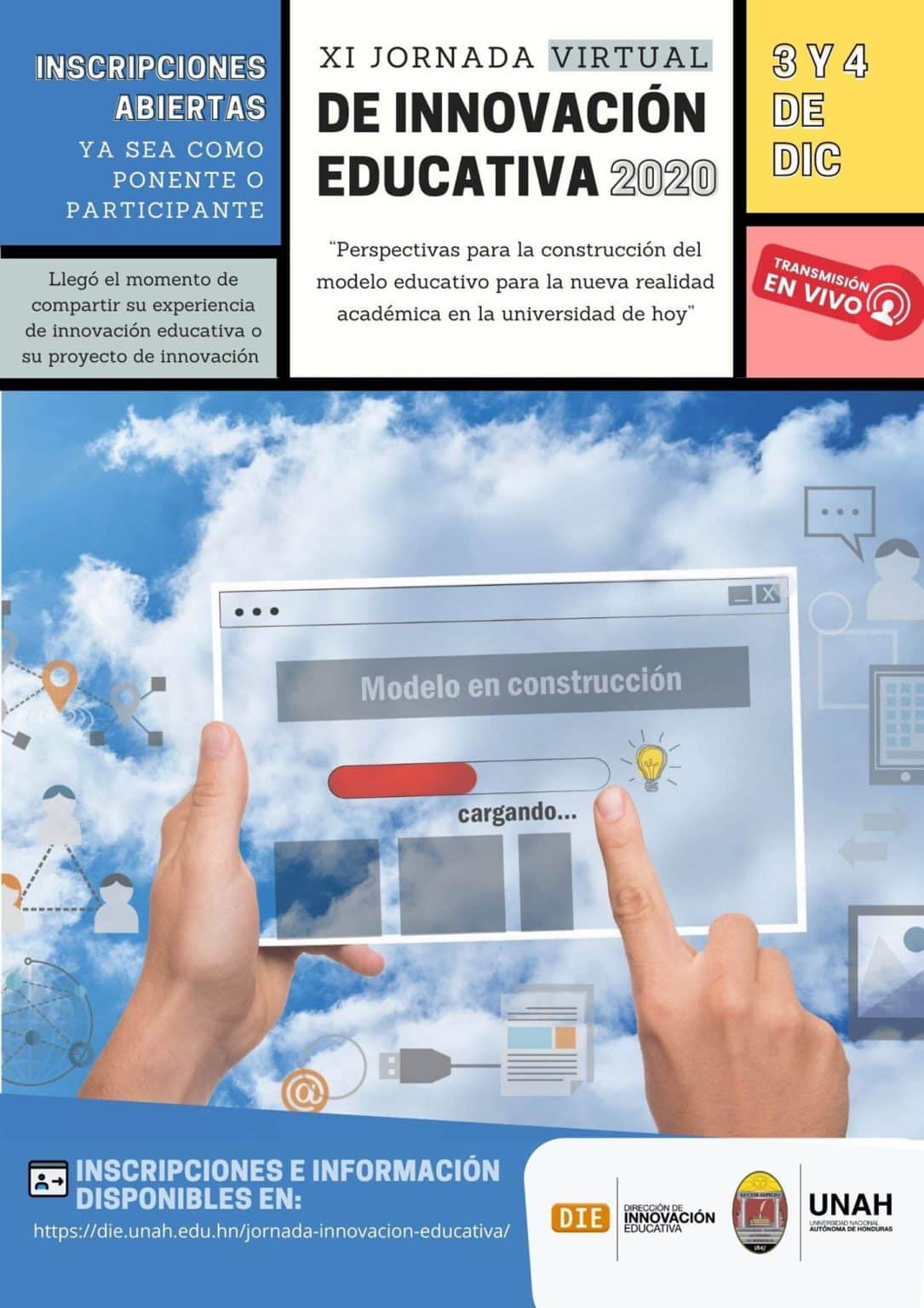
Participation with the poster "Emotional and Social Skills Training in Children with Neurofibromatosis Type 1" at the 2020 International Neurofibromatosis Medical Congress, in collaboration with Sant Joan de Déu Hospital in Barcelona and La Granja Ability Training Center.
"CINAIC, V International Congress on Learning, Innovation and Cooperation". Presenting the paper "An experience of emotional education in the urban summer camp of La Granja Escuela: an innovation in the field of educational leisure." (Madrid, 2019). You can watch the VIDEO of the PRESENTATION HERE.

“AIDIPE 2019, XIX International Congress of Educational Research”. Workshop presentation “Educating Emotions from the Classroom to Transform the World” (Madrid, 2019).
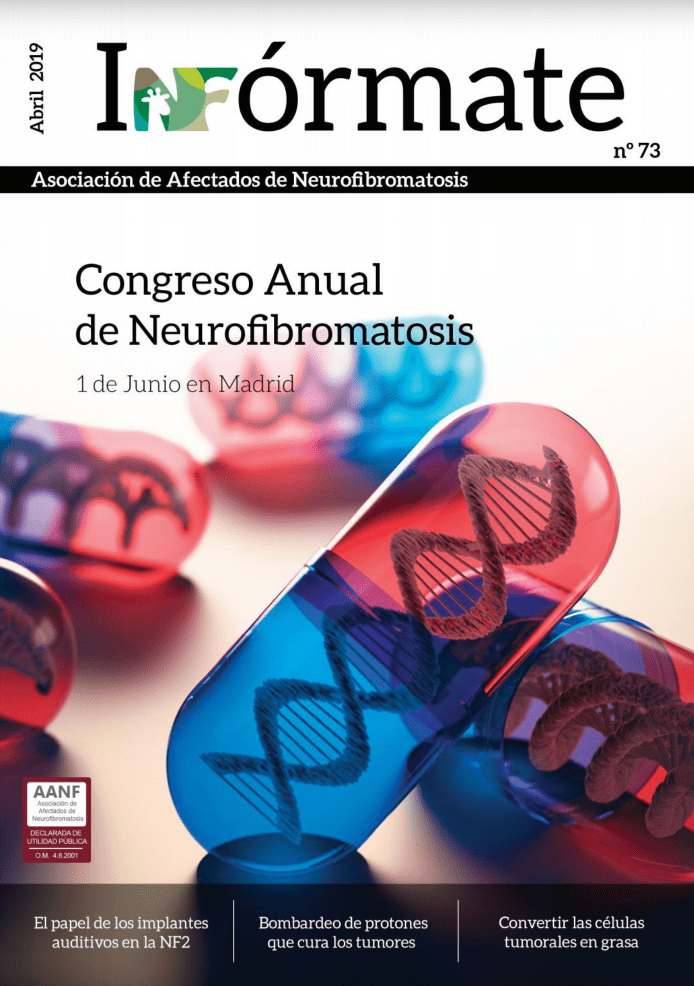
2019 Annual Neurofibromatosis Congress, presenting the results of the studies from the project carried out in collaboration with the Hospital Sant Joan de Déu of Barcelona. Conference: “How to Develop Emotional Competencies in Children and Adolescents Affected by NF1?” (results from BRIEF, CDE, and ADHD).

"XV Emotional Education Conference 2019." Training the Educator in Emotional Education. University of Barcelona/ICE. Workshop: "Training in Emotional Educator Stages. The La Granja Experience."

"XIV Emotional Education Conferences, 2014, 2015, 2016, 2017. University of Barcelona/ICE." Presentation: "An Emotional Education Experience at the La Granja Summer Camp: An Innovation in the Field of Educational Leisure." And the Workshop: "Emotional Education: From Educational Leisure to the Classroom." (Barcelona 2018). III, IV, V, and VI Henry Dunant Congress. Caixa Fórum.

Discover our activities

Barcelona

Barcelona

Madrid

Madrid

Andorra

Andorra

La Granja